Maël Lacour

Maël Lacour

I build the software behind brain research.

XR games, VR tools and data pipelines for cognitive-science studies in Geneva, engineered with AI in the loop, from code agents to transcription pipelines.

What I build

Everything here serves the same goal : To provide research software people actually use.

01

Research games & XR

Cognitive-training games and VR tools used in studies across Geneva, Haifa and Miami: engaging enough that participants come back, reliable enough for clinical settings.

02

AI-augmented engineering

I put AI to work on real codebases and real workflows: code agents on Unity and Flutter projects, a transcription-to-notes pipeline my whole team uses, shared conventions for AI-assisted development. Currently going deeper: fine-tuning speech models for scientific vocabulary.

03

Full stack & infrastructure

The unglamorous layer that keeps studies running: backends, data pipelines, CI/CD, cloud. If participants can log in on day one of a study, this is why.

Try what I build

Keep two moving dots in sight

This is a multiple-object-tracking task: a standard way researchers measure visual attention. Two dots light up, everything starts moving, and you keep track of the right two. It's the kind of mechanic I build into games for cognitive-science studies.

Keep your eye on the 2 highlighted dots.

Selected work

NeuroTrainer

VR · Unity · Medical Imaging · 2022

NeuroTrainer

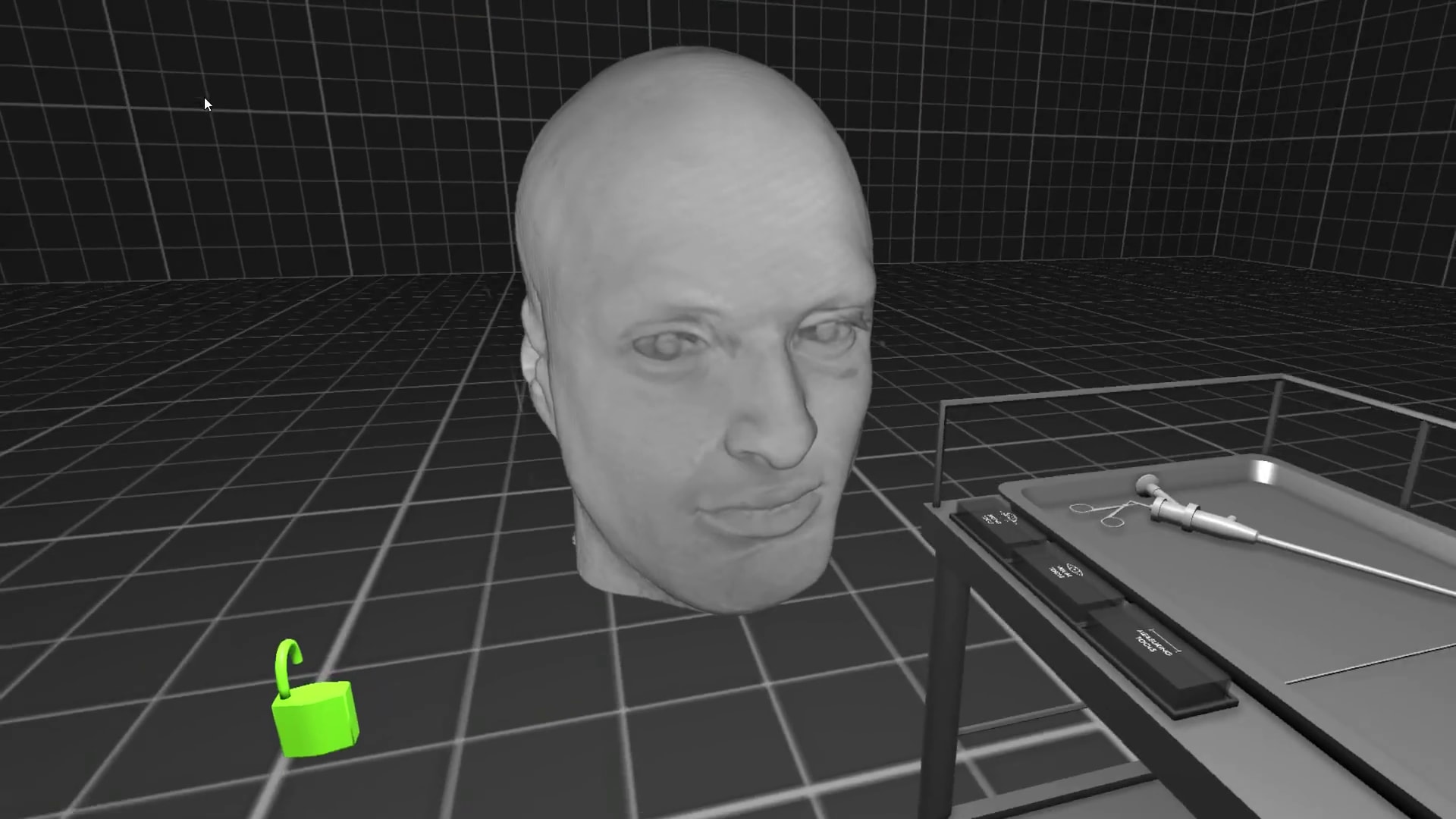
VR tool for neurosurgeons and radiologists at HUG to explore MRI and CT volumes in real time. Custom HLSL shader for 3D texture rendering; streaming architecture to handle 100 GB+ datasets without VR latency.

In use

Built with HUG (Hôpitaux Universitaires de Genève), where clinicians use it to explore MRI and CT volumes in three dimensions rather than as flat 2D slices.
View project
TikTik

Unity · Multiplayer · Cognitive Research · 2023

TikTik

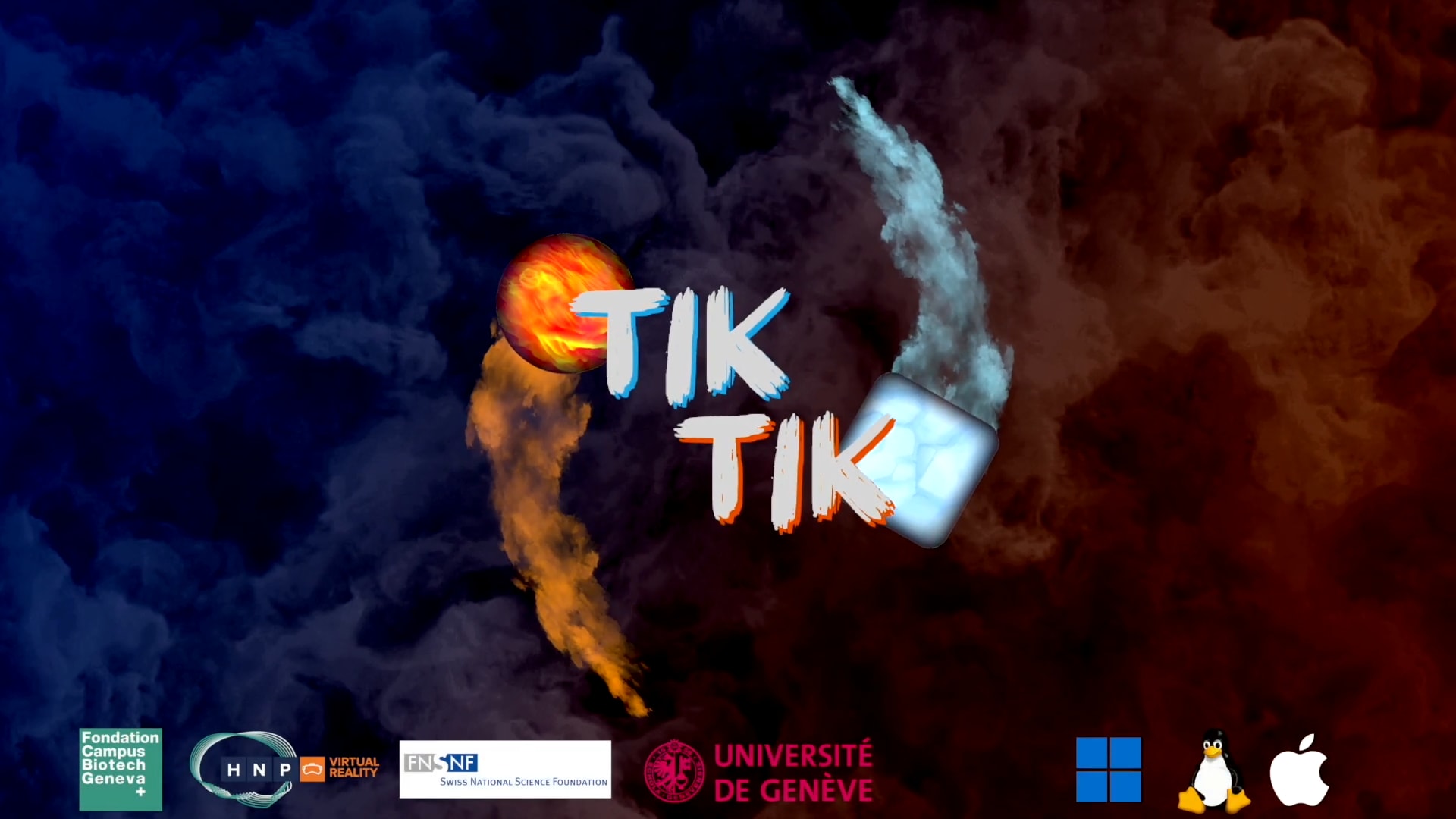
Cooperative 2D puzzle game for a cognitive science study at the University of Geneva. Built in Unity with local multiplayer, controller support, a replay system for researchers, and a custom level editor.

In use

Built for a cooperative decision-making study at the University of Geneva, where pairs of participants play while their choices are recorded for analysis.

View project
HarMoNie

Mobile · Flutter · Education · 2025

HarMoNie

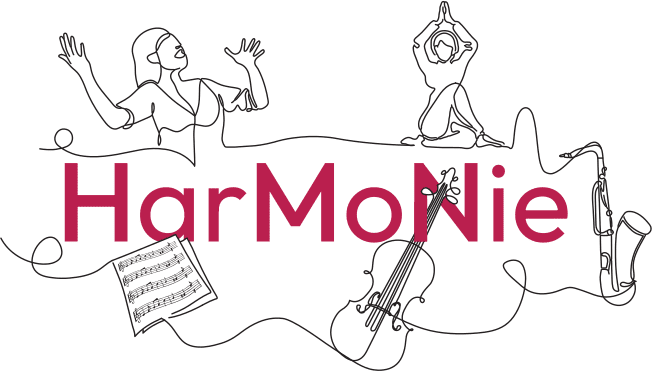
Mobile app for the Haute École de Musique de Genève: multilingual health education for musicians. Prereq-gated lessons, interactive quizzes, photo and video content across FR/EN/DE. Built with Flutter.

In use

Commissioned by the Haute École de Musique de Genève and shipped to its students: health education taken from research protocol to a released app.

View project

One more experiment

Go on green, stop on red

This is a Go/No-Go task: it measures response inhibition, how well you hold back an action you're primed to make. Tap when the circle turns green, do nothing when it turns red. A missed green or a tapped red both count against you.

Tap on green, hold on red.

About

I didn't set out to build software for neuroscience. I trained as a Grande École engineer at Arts et Métiers and started in aerospace. My work there even won an Airbus award. But the projects that pulled me in were always the ones where code met science.

In 2020 I joined the Fondation Campus Biotech Geneva and found my place: turning research protocols into software people actually use. A VR tool a surgeon can navigate. A game engaging enough that study participants keep coming back, and reliable enough to run in a clinic. The quiet infrastructure that keeps a multi-site study alive.

Six years in, I'm a Unity Certified Expert who has shipped across XR, mobile and full stack, and I'm now going deeper on AI, putting code agents and speech models to work in real engineering. When I'm not building, you'll probably find me paragliding above Geneva.

How I got here

AI

Lately, putting AI to work across the stack: code agents, a transcription-to-notes pipeline my team lives on, and going deeper on ML.

Claude CodeWhisperFine-tuningSpeech models

Last experiment

Name the colour, not the word

A reverse Stroop test: tap the name of the colour the word is printed in, not the word you read. Your brain reaches for the word first, so it takes focus to override it. Get eight in a row.

Stroop teststreak 0 · best 0
RED

Tap the name of the ink colour, not the word.

Contact

Get in touch

Open to speaking and collaborations, especially if you're working out how AI fits into your engineering practice. I like comparing notes with anyone building research software or putting AI to work on real codebases.

Prefer email or socials?